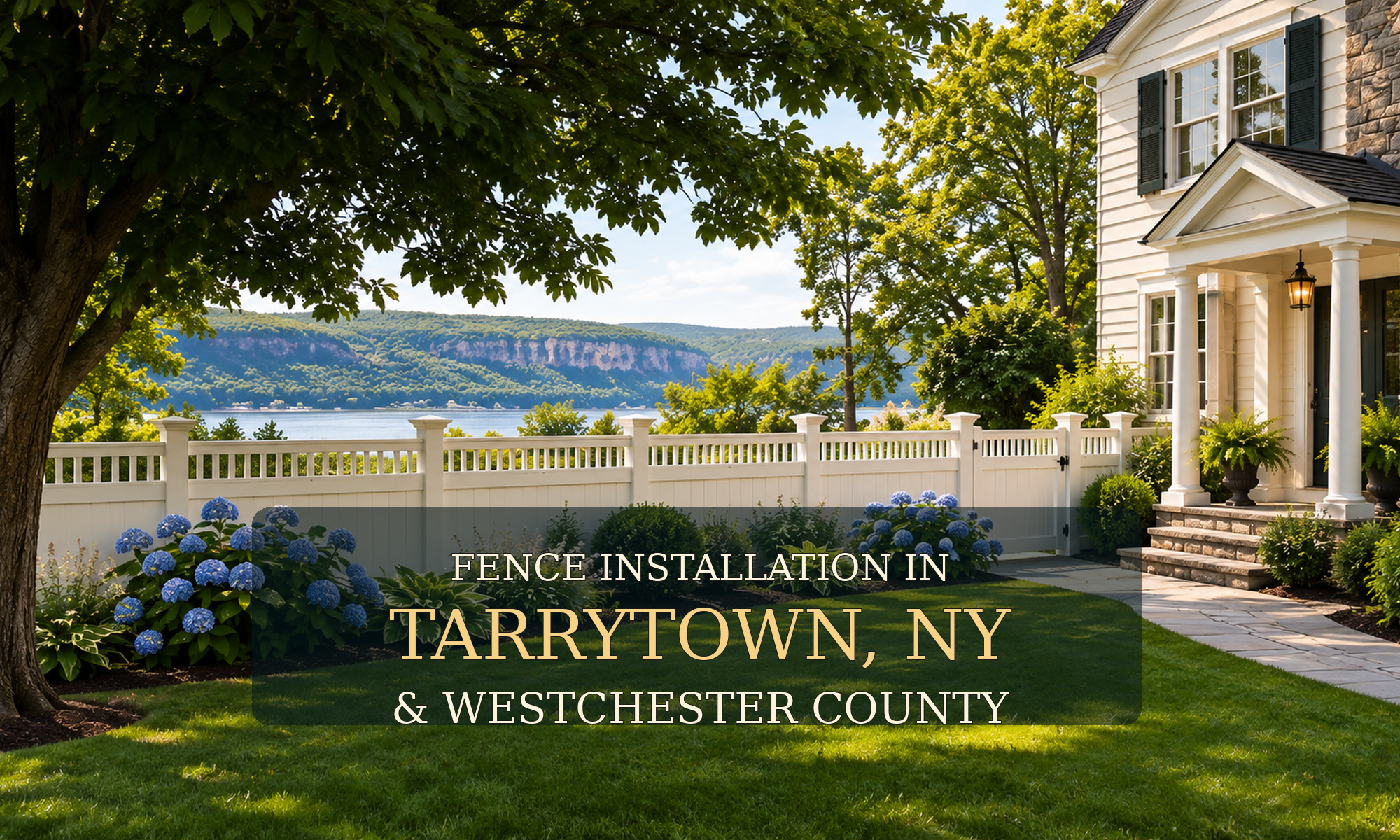

Are you researching how to choose the right fence in Ardsley; or what fence company in Ardsley can help you select the best one for your property?
Choosing the right fence for your property is about much more than deciding where your property begins and ends. A well-designed fence can improve privacy, enhance curb appeal, create a safer outdoor environment, define outdoor living spaces, and complement the architecture of your home.
For homeowners and commercial property owners in Ardsley, NY, selecting the right fence means considering several important factors, including the purpose of the fence, available materials, design preferences, property layout, maintenance requirements, and local installation regulations.
With more than 50 years of experience serving Ardsley and communities throughout Westchester County, Ardsley Fence Company understands that every property has different requirements. A fence that works beautifully for one property may not be the best solution for another.
Whether you are considering a new privacy fence, replacing an existing fence, enclosing a backyard, or improving the appearance of your property, understanding your options is the first step toward making the right decision.
In this guide, we explore the most important considerations when choosing a fence in Ardsley, NY, including materials, styles, property conditions, installation costs, and what to look for when selecting a fence contractor.
1. Determine What You Want Your Fence to Accomplish
Before selecting a fence material or style, consider what you want your fence to accomplish. Identifying your priorities will help narrow your options and make it easier to choose a design that complements your property.
Privacy: If you want to create a more private backyard, screen an outdoor living area, or reduce visibility from neighboring properties, a privacy fence may be the right choice. Solid wood and vinyl designs are popular options for creating a more enclosed outdoor space.
Security and property boundaries: A fence can establish a clear physical boundary around your residential or commercial property. The appropriate height, design, material, and gate configuration will depend on the property’s needs and applicable local requirements.
Appearance and curb appeal: A well-designed fence can complement your home’s architecture, landscaping, driveway, and outdoor spaces. Decorative aluminum, ornamental designs, wood fencing, and traditional picket styles can each create a distinctive appearance.
Pets and children: Families may want an enclosure that helps keep children and pets within a designated outdoor area. Fence height, spacing between components, gate placement, and latch selection are important considerations.
Commercial property needs: Businesses may require fencing to define property boundaries, control access, protect equipment, or separate different areas of a property.
Understanding the primary purpose of your fence before choosing a design helps ensure that the finished installation meets your expectations.
2. Compare the Most Popular Fence Materials
Fence material affects appearance, durability, maintenance, privacy, and overall project cost. There is no single material that is best for every property. The right choice depends on your priorities, the property itself, and your long-term expectations.
Vinyl and PVC Fencing
Vinyl fencing is a popular option for homeowners who want a clean, consistent appearance with relatively low routine maintenance.
Benefits include:
- Available in a variety of styles, including privacy, semi-privacy, and picket designs.
- Does not require routine painting or staining.
- Available in colors and finishes that complement many residential properties.
- Easy to clean as part of ordinary property maintenance.
Vinyl can be particularly appealing when homeowners want an attractive, finished appearance without the recurring refinishing associated with many wood products.
When comparing vinyl products, consider material quality, panel construction, installation methods, and the manufacturer’s warranty.
Wood Fencing
Wood fencing remains a classic choice because of its natural appearance and design flexibility. It can complement traditional homes, landscaped gardens, and a wide range of architectural styles.
Common wood fence designs include:
- Full-privacy fencing.
- Board-on-board fencing.
- Shadowbox fencing.
- Picket fencing.
- Horizontal board fencing.
- Decorative and custom wood designs.
Wood can be stained or painted to complement a property’s exterior. However, it generally requires more ongoing maintenance than vinyl or metal fencing. Exposure to moisture, sunlight, and seasonal weather can affect its appearance over time.
For homeowners who value natural materials and traditional craftsmanship, wood remains an excellent option to consider.
Cedar Fencing
Cedar is a popular wood fencing choice because of its natural appearance and resistance to certain forms of decay and insect damage.
Cedar offers an attractive grain and warm color that can work particularly well with landscaped residential properties. Like other wood fencing, its appearance and service life depend on material quality, installation, exposure, and maintenance.
Homeowners should discuss available cedar grades, construction details, and finish options before selecting a design.
Aluminum and Ornamental Metal Fencing
Aluminum fencing offers a more open appearance while still establishing a defined property boundary.
It is often considered for:
- Front yards and landscaped areas.
- Pool and garden enclosures, subject to applicable safety requirements.
- Driveways and entrance areas.
- Properties where visibility is preferred over complete privacy.
- Decorative residential and commercial applications.
Ornamental metal designs can provide a more formal appearance and complement stonework, masonry, landscaping, and traditional architecture.
Aluminum is generally a lower-maintenance alternative to many traditional iron products. The specific construction, finish, and intended application should be considered when comparing products.
Chain-Link Fencing
Chain-link fencing is a practical option when visibility, functional enclosure, and cost are important considerations.
It is commonly considered for:
- Residential yards.
- Pet enclosures.
- Utility and equipment areas.
- Commercial properties.
- Recreational spaces.
Chain-link fencing is available in different configurations and finishes. Privacy screening can also be considered where appropriate, depending on the application.
The best material is the one that meets your functional requirements, complements your property, and makes sense for your long-term maintenance expectations.
3. Choose a Fence Style That Complements Your Ardsley Property
Once you have narrowed down the material, the next step is selecting a style.
A fence should look like a natural extension of your property rather than an afterthought. Consider the architectural style of your home, the landscaping, the shape of your yard, and how the fence will appear from both inside and outside the property.
Some popular options include:
Privacy fencing: Designed to create a more enclosed outdoor environment and reduce visibility into the yard.
Picket fencing: A traditional design that defines the property while maintaining an open, welcoming appearance.
Shadowbox fencing: A wood design with alternating boards that provides a degree of privacy while allowing some airflow and visibility through the fence.
Post-and-rail fencing: Often used for larger properties, open landscapes, and areas where a less enclosed boundary is preferred.
Decorative aluminum fencing: Provides an elegant boundary while preserving visibility and the appearance of the surrounding landscape.
Horizontal fencing: A contemporary design that can complement modern architecture and outdoor living spaces.
When evaluating styles, consider how the fence will look from different viewpoints. A design that looks attractive from the street should also provide a finished appearance from the yard.
4. Understand Your Property Before Installing a Fence
One of the most important parts of a successful fence project happens before installation begins: understanding the property itself.
Properties in Ardsley can have different layouts and installation conditions. Some yards are relatively level, while others include slopes, retaining walls, mature trees, landscaping, stone features, or changes in elevation.
These conditions can influence fence layout, post placement, material selection, and installation methods.
Important considerations include:
Property boundaries: Do not assume that an existing fence, landscaping line, or visible marker represents the exact legal property boundary. Review available property survey information and obtain professional boundary assistance when necessary.
Slopes and uneven terrain: A sloped yard may require a stepped fence design or a fence that follows the grade. The best approach depends on the slope, fence style, and desired appearance.
Drainage: Fence placement should take existing drainage patterns into account. Poor planning can interfere with water flow or create maintenance issues.
Trees and landscaping: Existing trees, roots, planting beds, and other landscape features may affect the proposed fence line and post locations.
Underground utilities: Before digging, make sure the appropriate underground utility-locating process has been completed. In New York, property owners and contractors should follow applicable 811 requirements before excavation.
Existing structures: Driveways, retaining walls, walkways, sheds, and other structures may affect access, layout, and installation.
Taking time to evaluate these conditions helps prevent avoidable problems and supports a better finished result.
5. Check Ardsley Fence Installation Requirements Before Building
Before installing a fence, property owners should check the zoning and building requirements that apply to their particular property.
Requirements can vary by municipality and may address fence height, location, setbacks, corner visibility, pool enclosures, materials, or permits.
For an Ardsley property, verify the applicable requirements with the appropriate local building or zoning department before construction.
Homeowners should also consider:
- Whether the property is subject to a homeowners association or other private restrictions.
- Whether the proposed fence is near a sidewalk, roadway, driveway, or neighboring property.
- Whether the property has special zoning or historic-district considerations.
- Whether additional safety requirements apply to a swimming pool or other specific installation.
Do not rely on a general online statement about fence height or permit requirements as a substitute for checking the rules that apply to your specific property.
Planning ahead can help prevent delays and avoid complications during installation.
6. What Determines the Cost of a Fence Installation in Ardsley?
Fence installation costs vary from one project to another. The total investment depends on more than the number of linear feet.
The main factors typically include:
Material: Vinyl, wood, cedar, aluminum, ornamental metal, and chain-link fencing have different material and construction costs.
Fence height and design: Taller fences, privacy configurations, decorative details, and custom designs can affect the overall project.
Total length: The amount of fencing required is an important part of the estimate.
Terrain and site conditions: Slopes, difficult access, existing structures, landscaping, and ground conditions can affect installation requirements.
Gates and access points: Gate size, style, hardware, and placement can influence the project cost.
Removal of existing fencing: If an old fence needs to be removed, that work may be included as a separate part of the project estimate.
Additional preparation: Certain properties may require extra layout, preparation, or other site-specific work.
For a meaningful estimate, it is important to evaluate the actual property and understand the intended fence design. Comparing estimates is most useful when each contractor is pricing the same general scope, materials, dimensions, and installation details.
7. Why Professional Fence Installation Matters
The quality of a fence depends on more than the material itself. Layout, measurements, post placement, alignment, gate installation, and attention to the property’s conditions all contribute to the finished result.
Professional installation can help address challenges such as uneven terrain, changing elevations, property boundaries, access limitations, and the integration of gates and other features.
When choosing a fence contractor in Ardsley, consider the following questions:
- How long has the company been serving the area?
- Does the contractor have experience with the type of fence you want?
- Will the proposed layout and materials be clearly explained?
- Does the estimate describe the work to be performed?
- Are installation details and project expectations communicated clearly?
- Can the contractor explain how site conditions may affect the project?
A fence is a long-term improvement to your property. Taking the time to select an appropriate design and an experienced installation company can make a meaningful difference in the final result.
8. Residential and Commercial Fencing in Ardsley, NY
Residential and commercial properties have different fencing priorities.
For homeowners, a fence may be intended to create backyard privacy, establish boundaries, provide an enclosure for pets, enhance landscaping, or improve the appearance of the property.
Commercial property owners may have different requirements, including perimeter definition, controlled access, equipment protection, and separation of specific work or storage areas.
The right solution depends on the property, the intended use, and any applicable local requirements.
Ardsley Fence Company has served Ardsley and communities throughout Westchester County for more than 50 years, providing experience with residential and commercial fencing needs.
Whether you are considering a traditional wood fence, a low-maintenance vinyl design, decorative aluminum, or a practical chain-link enclosure, the first step is understanding what your property requires.
Frequently Asked Questions About Fence Installation in Ardsley, NY
What is the best type of fence for a home in Ardsley?
The best fence depends on the homeowner’s priorities. Vinyl is often selected for its low routine maintenance, wood and cedar for their natural appearance, aluminum for decorative boundaries with visibility, and chain-link for practical enclosure. Property layout, budget, and intended use should all be considered.
Is vinyl fencing better than wood fencing?
Neither material is universally better. Vinyl generally requires less routine maintenance because it does not need painting or staining. Wood offers a natural appearance and flexibility for traditional and custom designs, but it typically requires more maintenance. The right choice depends on appearance, budget, and long-term expectations.
What is the best fence for backyard privacy?
A solid privacy fence is generally appropriate when reducing visibility and creating a more enclosed outdoor space are the main goals. Wood and vinyl are two common materials to consider. The best option depends on the desired appearance, maintenance expectations, property layout, and applicable local requirements.
Do I need a permit to install a fence in Ardsley, NY?
Fence installation requirements depend on the property and applicable local regulations. Before construction, check with the appropriate Ardsley building or zoning department to determine whether a permit is required and whether any height, setback, or other restrictions apply.
How do I know where my property line is?
A property survey is an important starting point. Do not assume an existing fence, landscaping edge, or other visible feature marks the legal boundary. If the boundary is uncertain, consult a qualified survey professional before deciding where to install the fence.
What should I consider when installing a fence on a sloped yard?
The slope, desired fence style, drainage, and appearance from different viewpoints all matter. Depending on the property, the fence may follow the grade or use a stepped layout. A property evaluation can help determine the most appropriate approach.
How long does a fence installation take?
The installation schedule depends on the length and design of the fence, material availability, site conditions, access, weather, and any required approvals. A contractor should provide a project-specific timeline after evaluating the property.
What is the best way to get an accurate fence installation estimate?
Start by identifying the purpose of the fence, approximate location, preferred material, desired height, and any gates or special features. A property evaluation and clearly defined project scope will help produce a more useful estimate.
Plan Your Fence Installation with Ardsley Fence Company
Choosing the right fence is an investment in the appearance, function, and usability of your property. The best results begin with understanding your goals, comparing materials and designs, evaluating site conditions, and planning the installation carefully.
For more than 50 years, Ardsley Fence Company has served homeowners and commercial property owners in Ardsley and throughout Westchester County.
If you are considering a new fence, replacing an existing fence, or exploring options for your property, contact Ardsley Fence Company to discuss your project.
Request a Fence Installation Estimate
Ardsley Fence Company
Serving Ardsley and Westchester County for over 50 years.